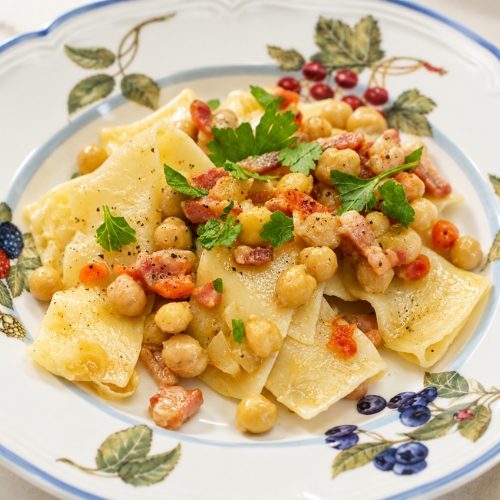
Discover the best pasta shapes for chickpeas, beans and lentils, and how cooking techniques influence the texture of traditional Italian pasta dishes. From finishing pasta in legume broth to risotto-style cooking, learn how to achieve a naturally creamy consistency while preserving the perfect al dente bite.

Durum wheat semolina is where pasta quality begins. Protein quality, gluten index, particle size, starch integrity and the origin of the wheat all influence how the raw material behaves during pasta making and, ultimately, the texture and identity of the finished pasta.
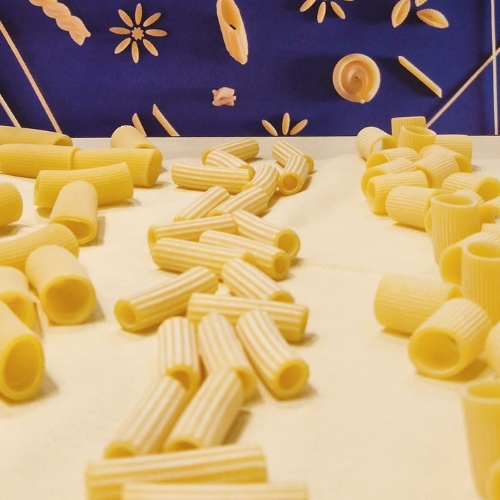
Smooth pasta and ridged pasta behave differently with sauce, but quality does not depend on ridges alone. It comes from the wheat, the production method, bronze drawing, low-temperature drying and the balance between shape, texture and condiment.
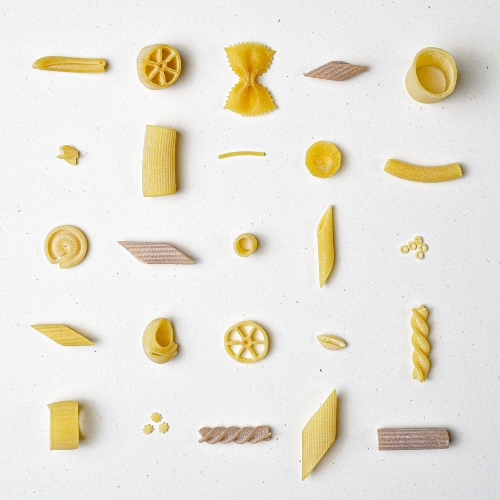
The perfect cold pasta starts with the right shape. Discover how Fusilli, Farfalle, Pennucce and Ruote Medie help preserve texture, hold summer dressings and turn a simple cold pasta salad into a balanced, flavourful dish for the season.

Discover which pasta shapes work best for baked pasta, from maccheroni timballo and rigatoni gratin to white baked pasta and stuffed paccheri: a guide to choosing the right shape for texture, structure and flavour.
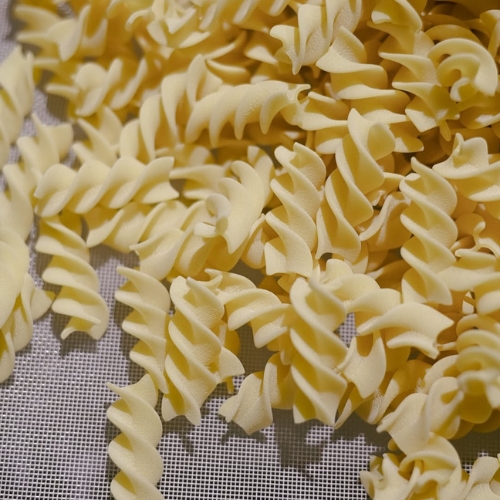
Pasta shape is never just a matter of design. Thickness, surface, hollow spaces and bronze drawing change the way pasta cooks, holds the sauce and reveals its texture at the bite.
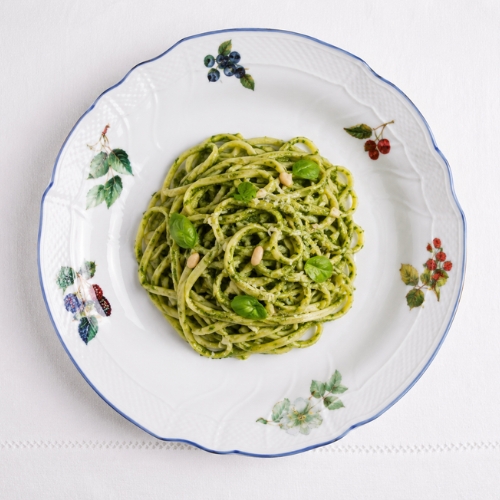
What is the best pasta shape for pesto? From classic basil pesto to summer vegetable pestos, each sauce has its own texture and needs a pasta shape that can enhance it. This guide explains how to choose the right pasta for basil pesto, zucchini pesto, pistachio pesto and arugula pesto, with balanced, creamy and seasonal pairings.
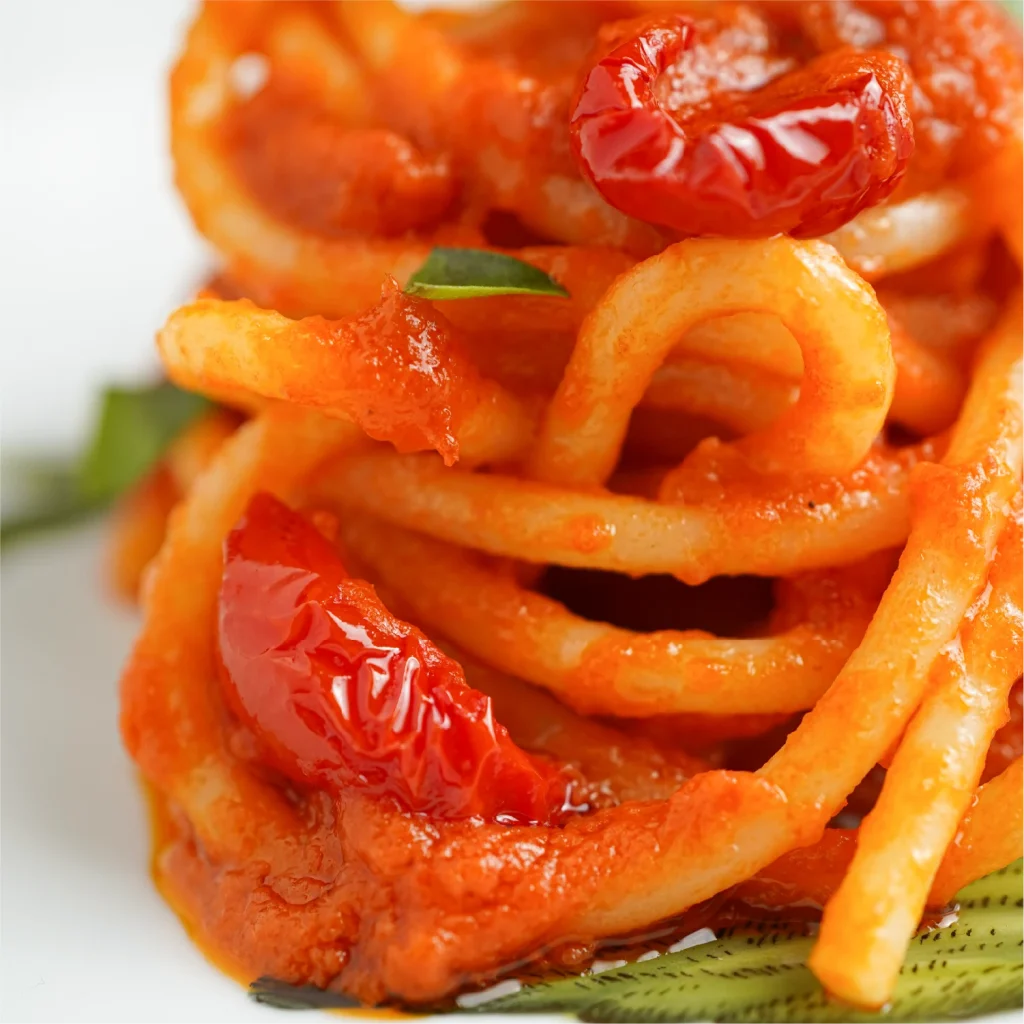
Mantecatura and risotto-style cooking are two different techniques, but they share the same purpose: using pasta cooking water to bind pasta and sauce. A guide to when to use them, which shapes to choose and how to obtain a creamy, well-balanced sauce.
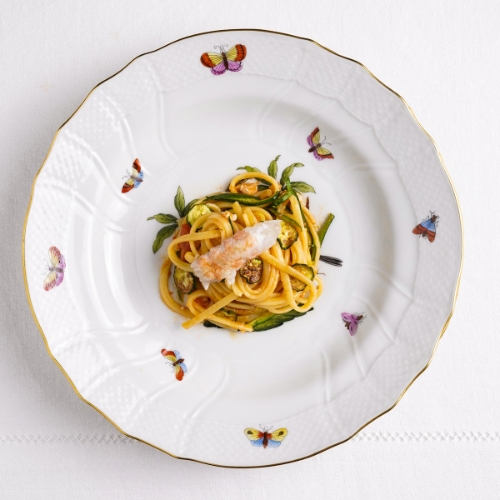
From linguine with clams to spaghetti with squid ink, seafood calamarata, octopus ragù, and farfalle with salmon, each seafood sauce calls for a different pasta shape. This guide explains how texture, sauce structure, and bite all help determine the most harmonious match.
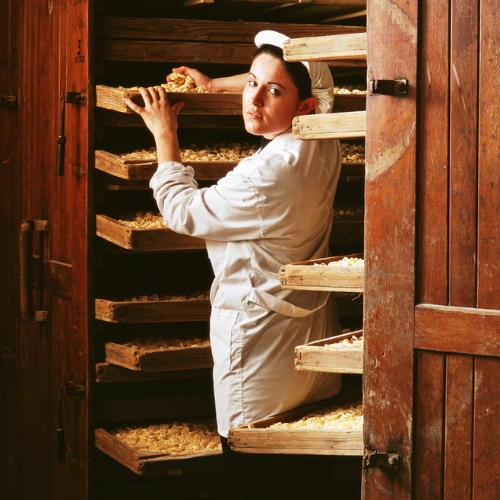
It’s not just a technical step: the slow drying of the pasta affects its texture, chewiness, and how it pairs with the sauce. In this in-depth look, discover why time, temperature, and consistency in the method make all the difference.